
Build a Body That Supports Your Bones
Being diagnosed with osteoporosis can change the way you think about movement.Suddenly, activities that once felt normal can feel risky.C...
Straight answers to the questions athletes and parents ask us, whether or not you ever work with us.
Being diagnosed with osteoporosis can change the way you think about movement.Suddenly, activities that once felt normal can feel risky.C...
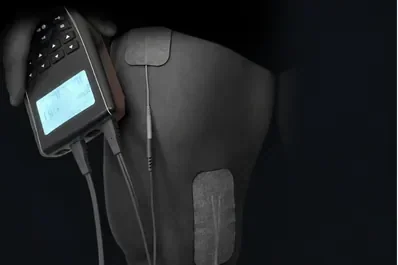
Your muscles may be capable of more than your body is currently allowing them to do. That might sound strange. We tend to think of performance as a simple equation: if you want to get stronger, build more muscle. If you want to move better, practice the movement. If you want to perform at a higher level, train harder. But your muscles don't operate independently.
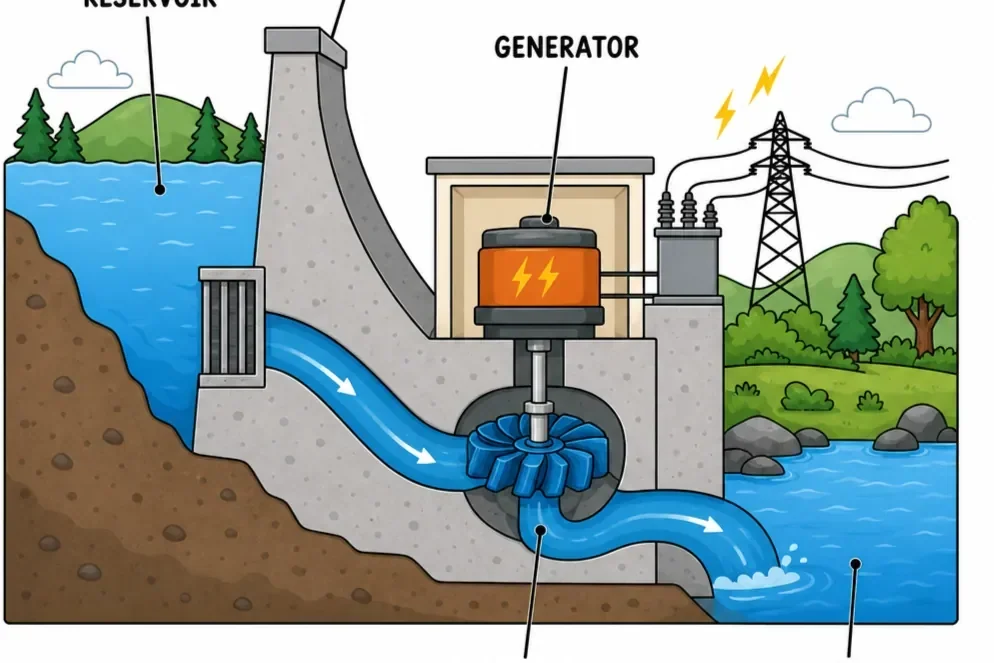
Martin Picard, leading researcher at Columbia University is developing an intriguing body of research around what he calls the “Energy Resistance Principle.” As a whole, he links human health, longevity and disease to how well the body allows energy to flow. In order for health to be optimal, the flow of energy must be resisted enough for necessary for transformation to take place; however, if is resisted too much, the cellular environment becomes less than optimal, and health begins to decline.

Over the years, I’ve talked a lot with clients about how muscles are like the “shock absorbers” we have on our cars. They lengthen to absorb force and they shorten to create force. When they perform well, the muscles sufficiently create and absorb force in a way that ensures other soft tissues, ligaments, and tendons do not take on undue stress.
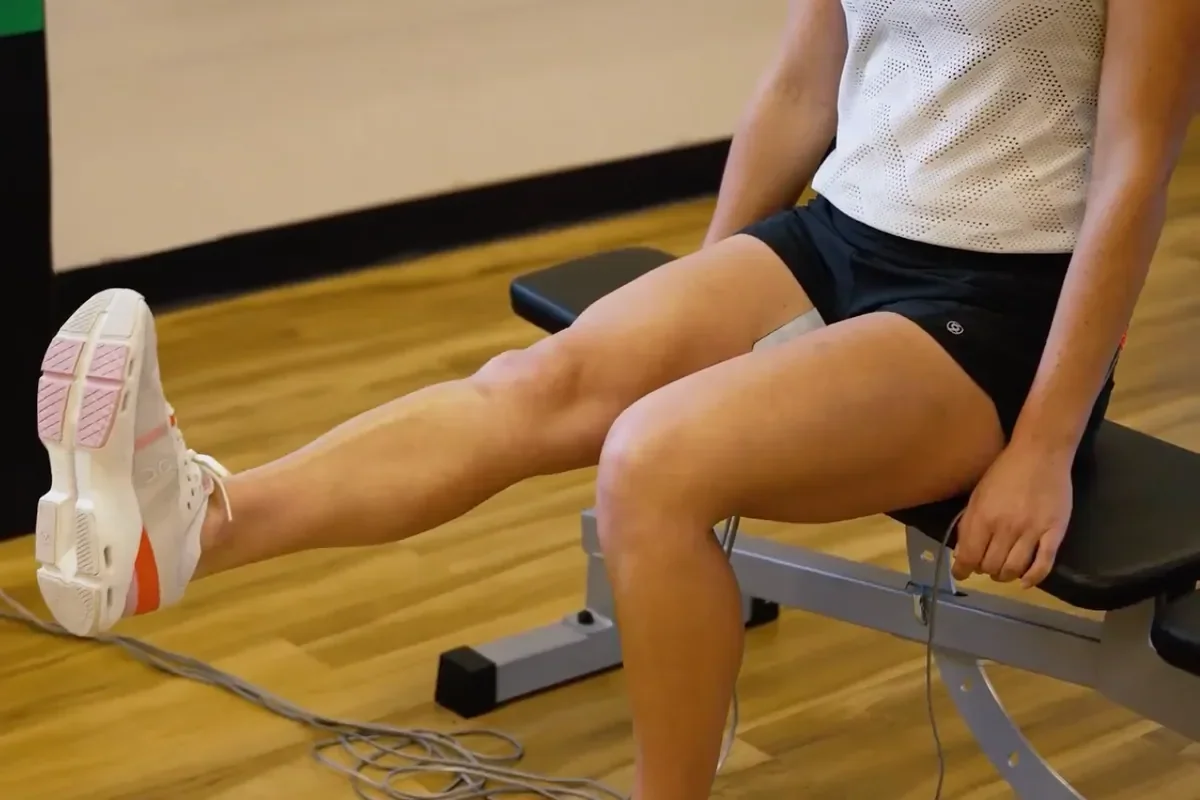
You've probably heard the message by now. “Build muscle.” “Maintain your muscle mass.” “Do everything you can to stay strong as you age.” And for good reason. Muscle does far more than change the way the body looks. It helps us lift, climb, carry, balance, and move through the world. It also contributes to metabolic health and provides part of the physical reserve that allows us to continue doing the things we enjoy as the years go on.

What Parents Need to Know When Rest, Physical Therapy, and Time Aren't Solving the Problem A few weeks ago, I was on the phone with a dad who was expressing his confusion for the best way to help his son navigate his arm injury. “I don’t get it,” he said. “We’ve done everything they’ve told us to do - rest, ice, physical therapy.. All of the band exercises in the world. But his elbow pain just keeps coming back. Adding to the confusion, the MRI results came back completely clean.
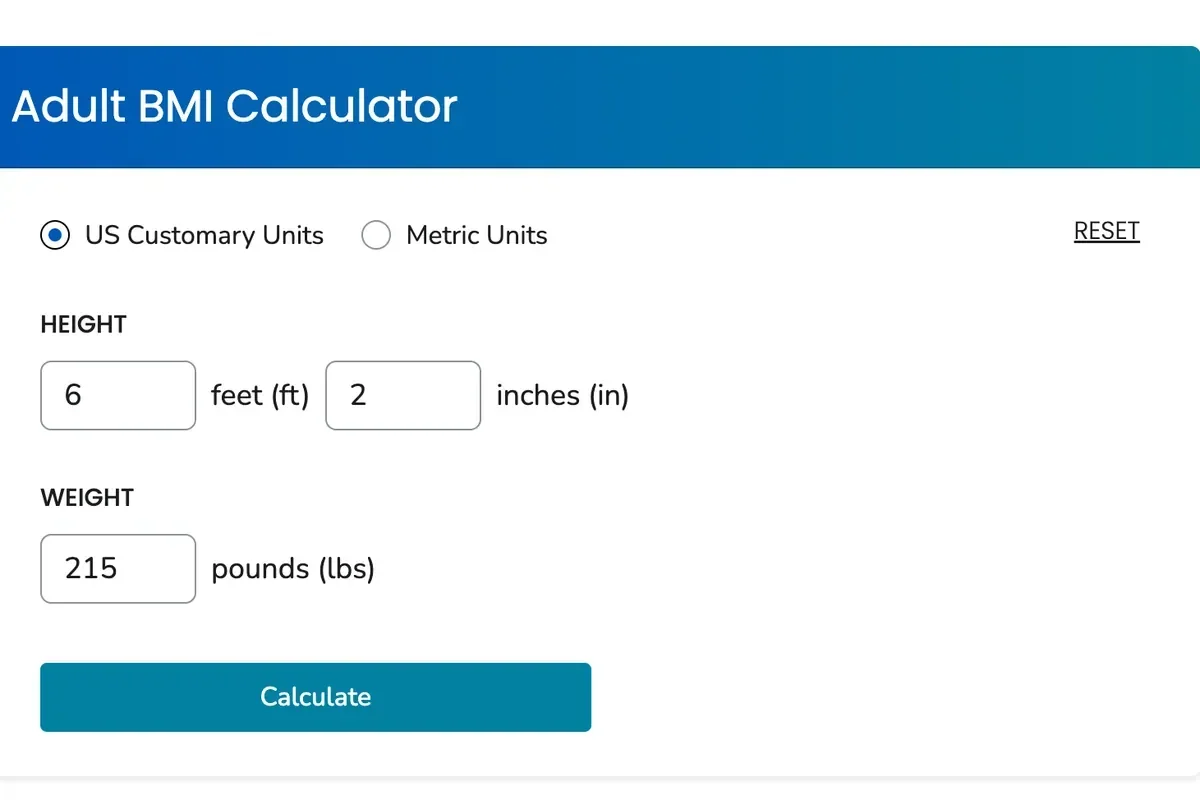
What is my BMI? BMI or “body mass index” is a scale that uses height and weight to estimate whether you are: Underweight Healthy Weight Overweight Obese Limitations of BMI Before I go further, I want to include a disclaimer about BMI. BMI is one of my biggest pet peeves in the world of health and wellness - while height and weight can give us a VERY rough estimate of how healthy a person is based on their weight, it has significant limitations.
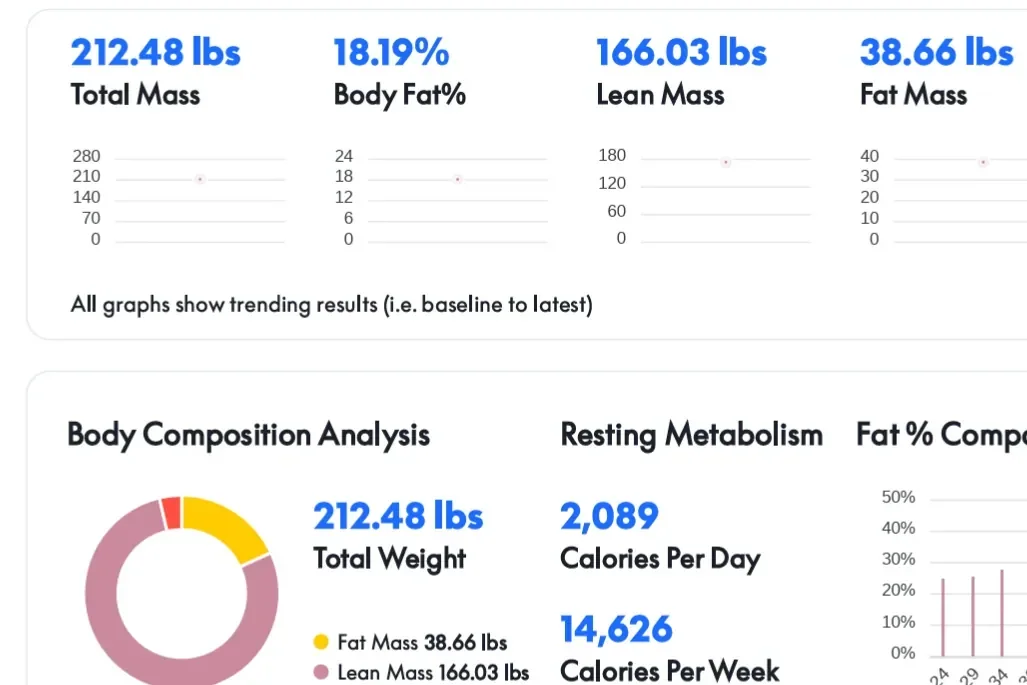
A few weeks ago, I was having a conversation with a client about her body weight and the diet she recently started. She said that she is on a mission to get skinny again, and has noticed that she is about 10 lbs above what she used to consider heavy.

This Sunday was the opening day for baseball season in my 30 and over Harford County men’s league. It was a chilly, shady, windy, 44 degree morning - there’s no better way to start baseball season in the north east! Thanks to a combination of lifting weights, cardio work, sauna, and signal training, my body was feeling the best it has in a long time heading into the game. The game started easily enough with a quick 1, 2, 3, inning before my team, the Cubs, came to bat.

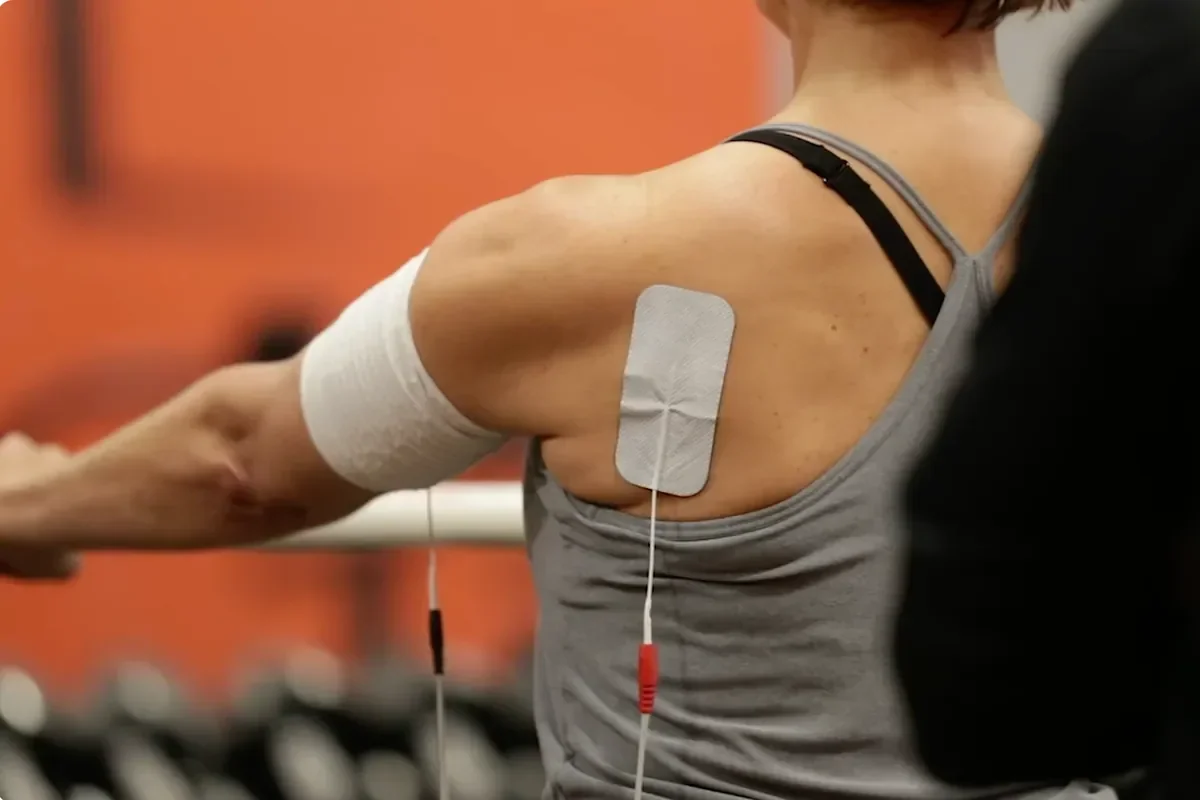
Direct current e-stim lets you combine a strong muscle signal with movement, which most stimulators can't. Here's how we use it in ACL prehab and what athletes have done with it before surgery.