Martin Picard, leading researcher at Columbia University is developing an intriguing body of research around what he calls the “Energy Resistance Principle.”
As a whole, he links human health, longevity and disease to how well the body allows energy to flow.
In order for health to be optimal, the flow of energy must be resisted enough for necessary for transformation to take place; however, if is resisted too much, the cellular environment becomes less than optimal, and health begins to decline.
In our lives, we feel this decline as more fatigue, less energy, more pain, tightness, and stiffness, and eventually, increased risk for disease.
As an engineer who has been trained to examine all problems (and solutions) through the laws of energy, I believe this framework for understanding the human body will create major breakthroughs in our approach to human health, performance, and longevity.
In this brief article, we’ll examine the relationship between our muscles, the mitochondria in them, the energy resistance principle, and its effect on our health.
Mitochondria
Let’s start at the level of the mitochondria, where we have the most foundational evidence of energy flow in the body.
The mitochondria are known most commonly as the “power houses” of our cell, because they create the energy that our cells (and bodies) run on.
In order to create this energy, the mitochondria must convert the energy from our food into ATP.
When the mitochondria are working efficiently, the transformation of this energy happens smoothly.
When there is resistance to this process of energy transformation, the mitochondria do not work as efficiently, and the production of reactive oxygen species increases.
These reactive oxygen species damage the cell, leading to a detrimental effect on our cellular health.
With a decline in cellular health, we are more likely to experience fatigue, tightness, aches, pains, inflammation, and disease.
Optimizing Our Health According To The Energy Resistance Principle
In order to optimize our health, according to the energy resistance principle, we can focus on two areas:
1) Increasing the efficiency of our mitochondria
2) Increasing the number of mitochondria
By doing so, we decrease the resistance for the process of transforming our food into usable energy.
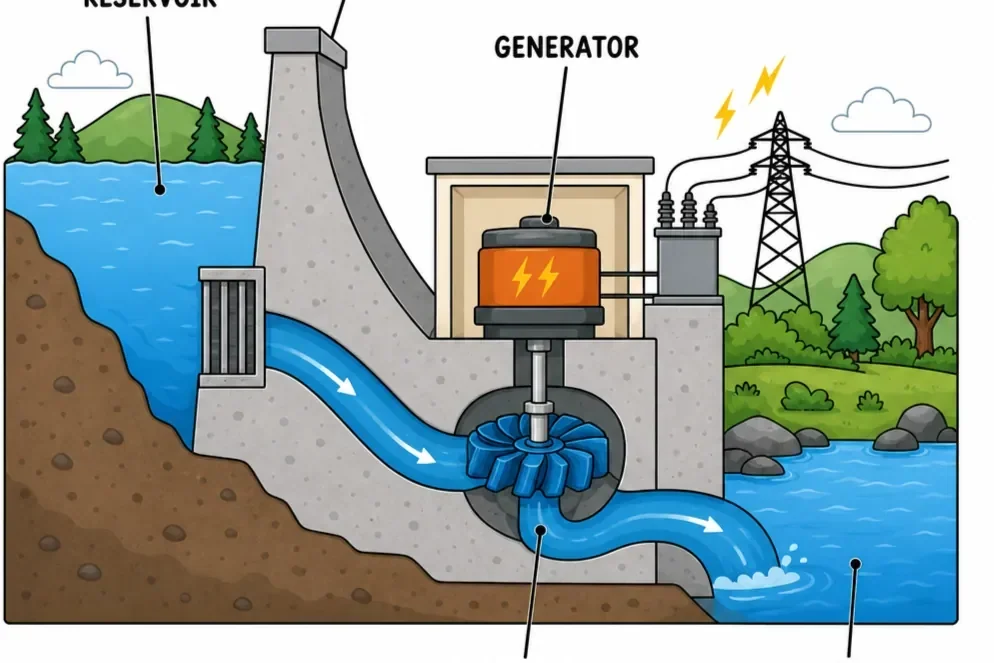
You can think about this in a similar manner to how we might think of a hydroelectric dam.
The dam is designed to slow the flow of water and direct it towards equipment (a turbine) that generates electricity.
The more smoothly the turbine spins to generate electricity, the more energy is transformed into electricity, rather than lost to heat.
Additionally, the more turbines we have, the more efficiently electricity can be transformed.
The same goes for mitochondria- the more we have and the more efficiently they work, the more smoothly energy can be transformed
What Role Do Muscles Play In Mitochondria & The Energy Resistance Principle?
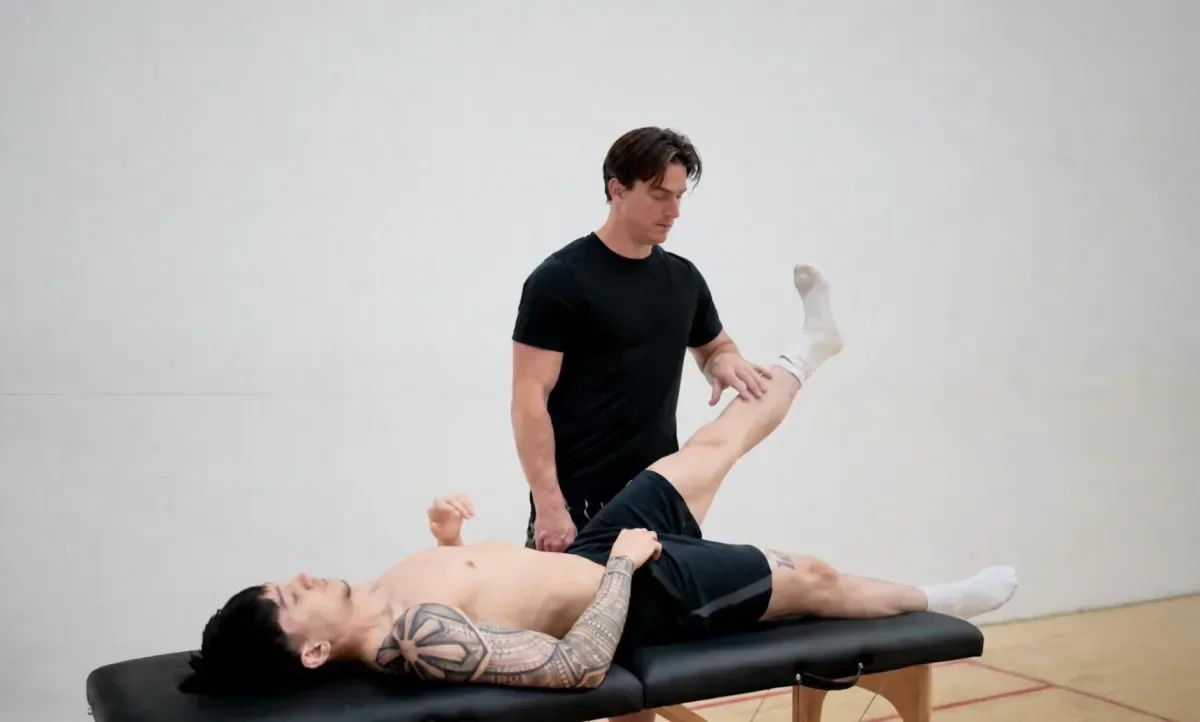
The explanation here is very simple – the more we use our muscles and build muscle, the more efficiently our mitochondria work. Additionally, as we stress and build muscle, the muscles create more mitochondria.
Muscles are one of the most easily modifiable tissues we have in the body. The health benefits of doing the work to build muscle are vast – in order to reap these benefits, we simply have to use them.
If you’ve read my previous article on how muscles are armor for our bodies in many ways, the Energy Resistance Principle ties together why.
At the most foundational level, muscles, and the activities needed to keep muscles healthy, are a tissue that helps our bodies to more efficiently flow and transform energy.
Conclusion
When we stay active, keep our muscles healthy, and work to build muscle, we accomplish two important things related to our health and longevity:
1) Increase the efficiency by which our mitochondria transform energy
2) Create more mitochondria in order to be able to transform energy
Whether it be through movement or technology, much of my work at Embodi³ focuses on optimizing the flow of energy through the body.
In essence, we lower the resistance required to transform energy, laying the foundation for our bodies to feel better, perform better, and live longer.
Interested In Learning More?
I highly recommend checking out any podcasts featuring Dr. Martin Picard or Dr. Nirosha Murugan. These two are pioneers in the field and unbelivably knowledgable. I’ve linked an episode below, which was especially helpful for me to develop my own understanding.
Mind & Matter: Episode 260 - Mitochondria, Energy, Cellular Energy, Metabolism, Gray Hair Reversal, & Brain-Body Communication
Huberman Lab: Improve Energy & Longevity By Optimizing Mitochondria