Being diagnosed with osteoporosis can change the way you think about movement.
Suddenly, activities that once felt normal can feel risky.
Can I lift weights? Can I run? Can I jump? What if I fall? What if I fracture something?
Those concerns are understandable. Osteoporosis means bones have become less dense and more fragile, increasing the risk of fracture. And that can create a difficult cycle: fear of loading the body can lead to doing less, which can contribute to losing strength, balance, coordination, and confidence.
But the answer isn't to stop challenging your body.
It's to build the capacity to challenge it well.
Bone Health Is Bigger Than Bone
Your bones don't work alone.
Your muscles create force. Your nervous system coordinates it. Your joints transfer it. Your body constantly senses where you are in space and how much force you're producing.
When those systems work well together, you are better equipped to control your body, recover your balance, and absorb force when something unexpected happens.
That's important because one of the biggest threats to someone with low bone density isn't simply the force generated during exercise.
It's the force generated during a fall.
Building strength, balance, coordination, and the ability to absorb force can help reduce the risk factors that contribute to falls.
Start Where Your Body Is
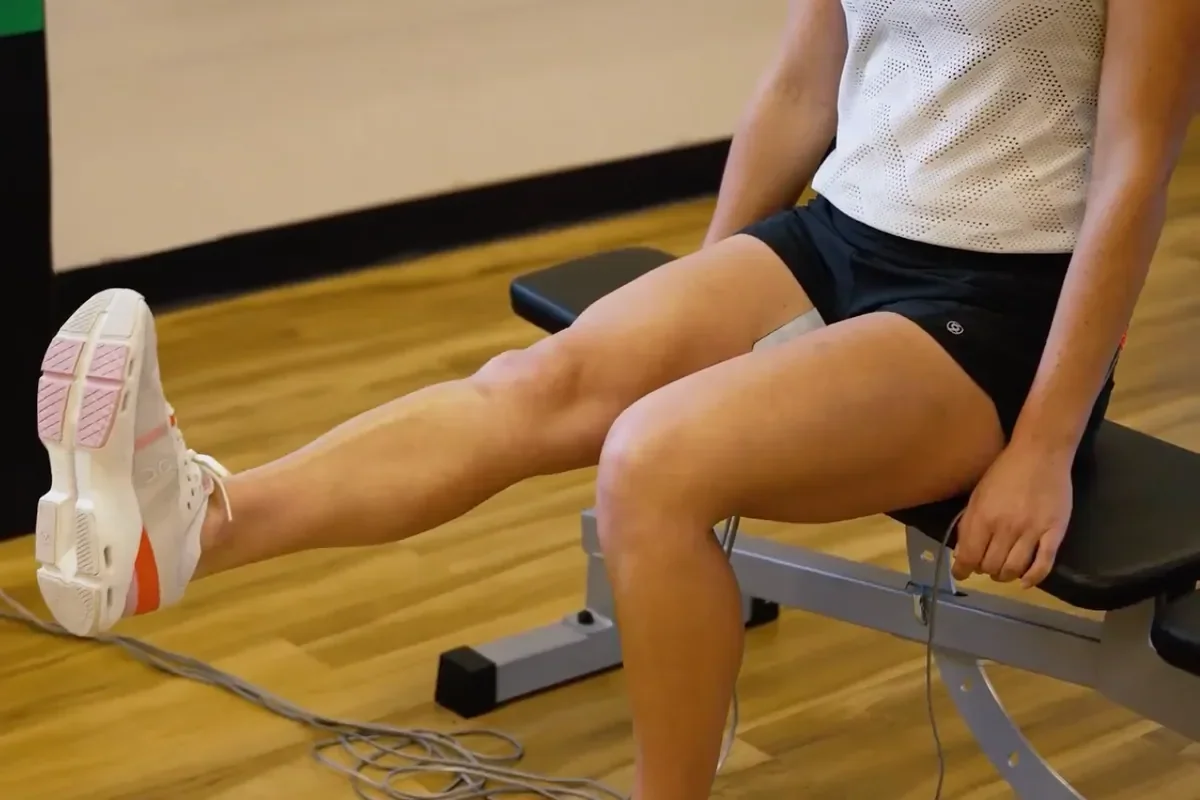
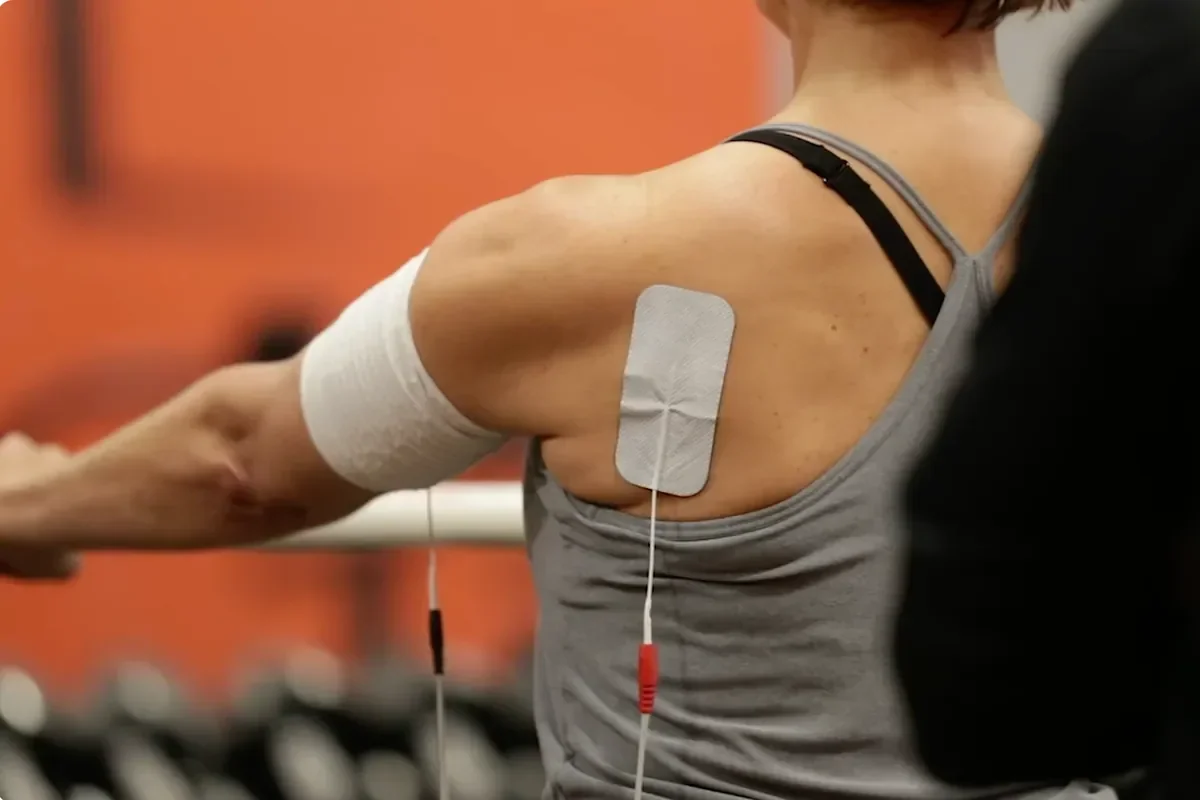
The Embodi Method combines direct current electrical stimulation with active range-of-motion exercise.
The electrical stimulus gives us another way to interact with the neuromuscular system while you actively move.
We can observe how your muscles respond, identify compensations, and work through controlled movements while progressively developing your ability to create and absorb force.
And because we can begin with low-impact exercise, you can build strength and movement capacity without immediately asking your body to tolerate high levels of impact.
You're not avoiding loading.
You're preparing for it.
Build the Capacity for Impact
As strength, coordination, and confidence improve, the goal doesn't necessarily remain low-impact exercise.
Appropriately prescribed impact can provide a valuable mechanical stimulus for bone. Research supports weight-bearing and impact exercise as part of strategies to maintain or improve bone health, although the appropriate level of impact depends on the individual.
The progression can be simple:
Build strength.
Build balance.
Build control.
Learn to absorb force.
Then progressively introduce more load and, when appropriate, impact.
That's a very different approach from living in fear of movement.
The goal isn't to treat osteoporosis with electrical stimulation.
The goal is to build a body that is less vulnerable to the things that can make osteoporosis dangerous.
A body that is stronger.
A body that is more coordinated.
A body that is better at catching itself.
A body that can create and absorb force.
And, when appropriate, a body prepared to tolerate the higher-impact exercise that can provide an important stimulus for maintaining bone health.
Your diagnosis doesn't have to be the end of what your body can do.
It can be the beginning of building the capacity to do more.