
7 Reasons Building Muscle After 50 Can Be Difficult (And How to Build It Anyway)
You've probably heard the message by now.
“Build muscle.”
“Maintain your muscle mass.”
“Do everything you can to stay strong as you age.”
And for good reason.
Muscle does far more than change the way the body looks. It helps us lift, climb, carry, balance, and move through the world.
It also contributes to metabolic health and provides part of the physical reserve that allows us to continue doing the things we enjoy as the years go on.
But there is a reason the conversation around muscle becomes more urgent after 50.
Building it can become more difficult.
You've Always Taken Care of Your Body. Now It's Time to Understand It Better.
The Muscle Is Life Blueprint is a free guide from Embodi³ founder Zach Michael that explores the 5 foundations for building and optimizing muscle, and how they can help you build a stronger, more capable body for the life you want to live.
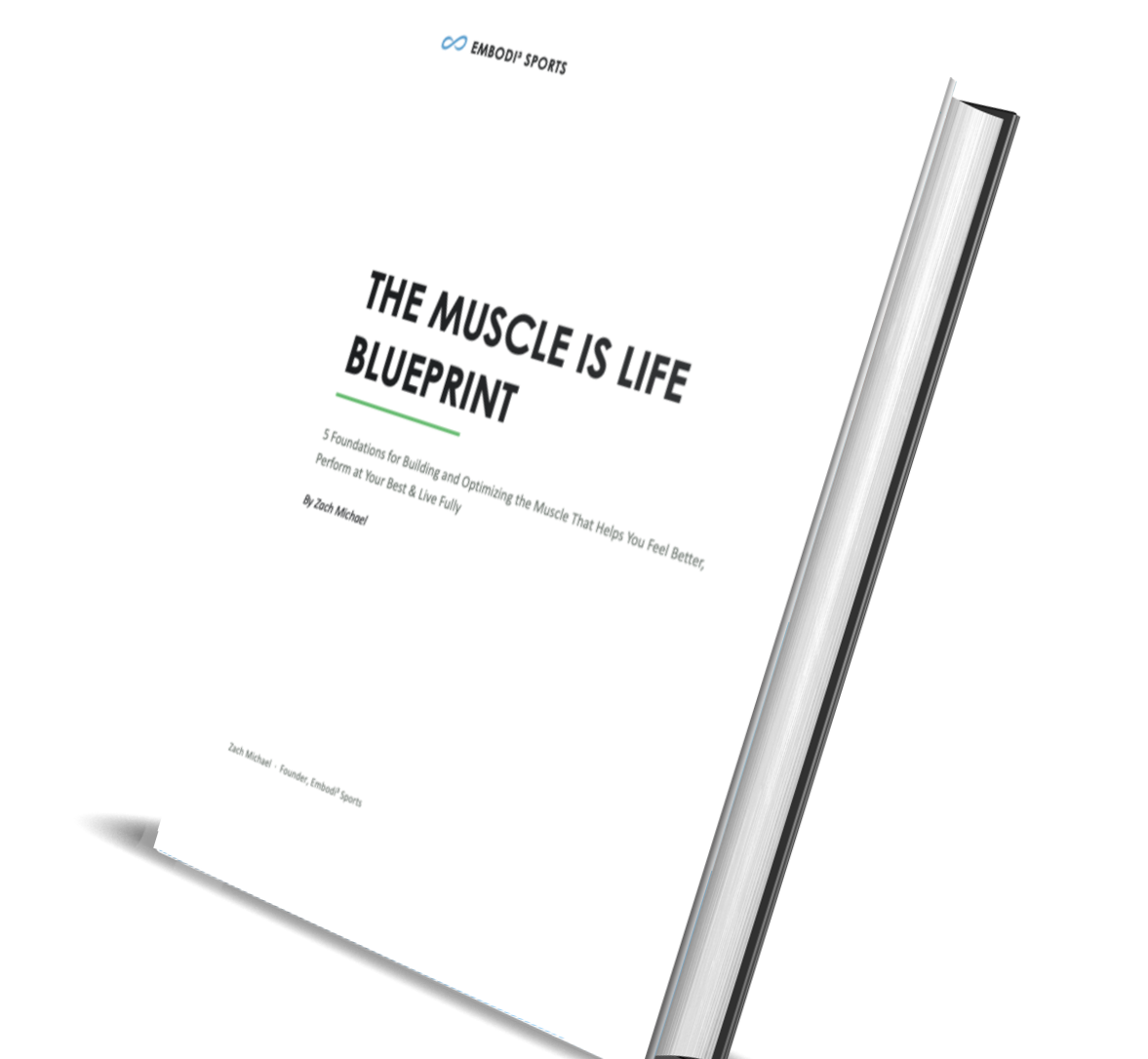
Enter your information below to get your free copy.
The reason isn't simply that the body "gets old" and stops responding. The body continues to adapt throughout life. But the environment in which muscle is built begins to change, and the strategy that worked at 30 may not produce the same results at 50 or 60.
Here are 7 reasons why:
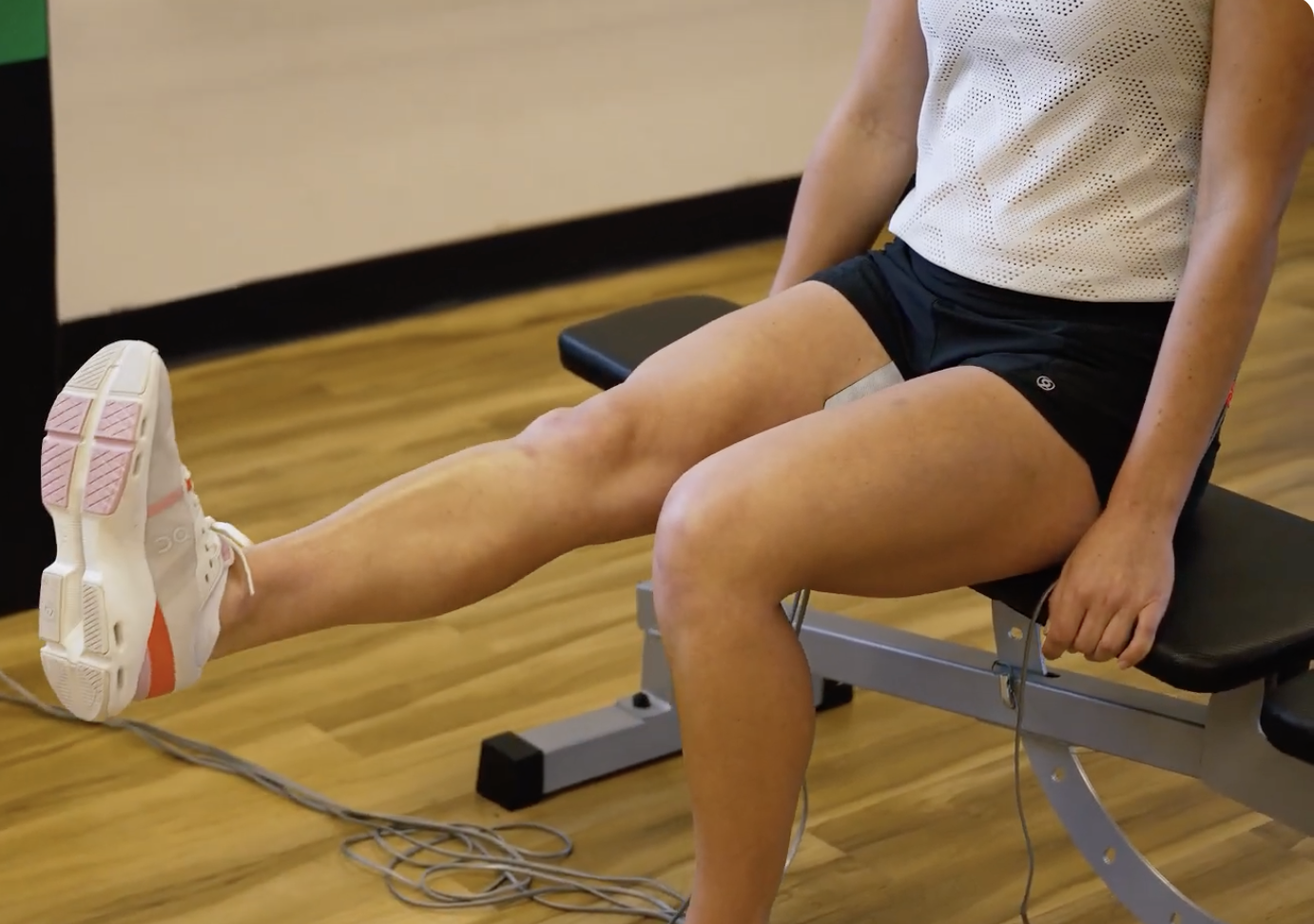
1. The hormonal environment changes
Building muscle mass is influenced by our body’s biological environment.
Our ability to build muscle constantly changes, based on our hormones, nutrition, activity, sleep, stress, and countless other variables.
Around the age of 50, some of those factors begin to shift.
For women, the transition through perimenopause and menopause can bring significant changes in estrogen. For men, testosterone tends to decline gradually with age. These changes can influence body composition, muscle, recovery, and the broader musculoskeletal system.
As the conditions change in our body, the strategy for building muscle mass must change and become more intentional as well.
2. Muscles become less responsive to stimulus.
When we lift weights and train with resistance, it sends a signal to the muscle:
“Adapt to this. Get stronger, so you can be prepared to do it again next time.”
With age, however, muscle can become less responsive to the same amount of resistance training.
This is often described as anabolic resistance.
In simple terms, the same workout or nutritional input that once produced a strong response may not create quite the same effect later in life.
This doesn’t necessarily mean the system has stopped working.
It just means that the inputs- how we exercise and eat, may need to become more intentional and consistent.
I can say from experience that the body definitely can and will continue to build muscle - it will just require more intentionality and consistency.
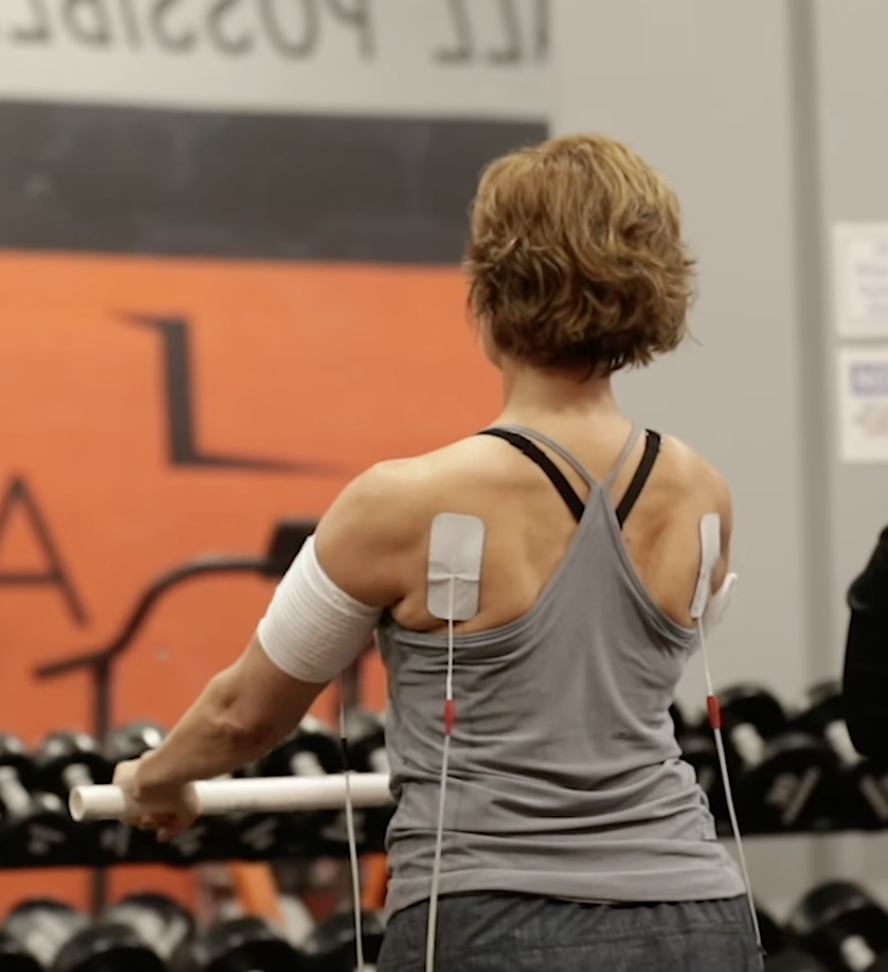
3. The Training Stimulus May No Longer Be Strong Enough
Over time, it is common for all of us to get into our routines. We find the workout routine that works best for us, or the class instructor who gives us the most motivation and energy to train.
For a while, these workout routines can work really well for our ability to build mass muscle mass and maintain muscle.
But over time, the body starts to adapt. The same workouts that were once challenging and helped build muscle mass become routine.
In order for the body to continue building muscle mass, variability is required.
This is where progressive overload becomes important.
For muscle to continue adapting and growing, the stimulus generally needs to evolve.
We need to increase the weight, change the number of repetitions, or even introduce new types of stimulus altogether.
This doesn't necessarily mean each and every workout has to be completely different.
But it does mean that over the course of weeks, months, and years, the muscles need to encounter a meaningful reason to continue building.
Every time we create a new challenge, the body gets a chance to adapt, grow, and build muscle mass.
The pattern looks like:
Stimulus → Adapt, Grow, Build Muscle → New Stimulus.
Wash, rinse, and repeat.
4. Muscle Needs Enough Nutritional Support
Exercise provides the signal to the body to maintain and build muscle mass.
However, all of the exercise in the world will not increase muscle mass if we don’t give the body the basic building blocks for making muscle.
This is where nutrition comes in.
What you eat provides the basic building blocks of what the body needs to respond.
I like to think of it as building a lego castle. We can have the lego box, the instructions, and time to build the castle. But without the legos, no castle is going to be build.
Protein is the basic building block required for the body to make muscle.
If we aren’t giving the body what it needs to repair and build muscle mass, it just won’t be able to. It is as simple as that!
This becomes even more important after 50.
5. Periods of Inactivity Can Have a Greater Impact
It’s very common for busy times in life to interrupt our busy training schedules.
Travel, work, and family responsibilities can all pull us away from regular exercise.
No matter your age, periods of disuse will lead to slight losses of muscle.
As we age, periods of inactivity can become even more consequential.
While a few weeks being way from training may not feel significant in the moment, muscle loss can occur surprisingly quickly.
And often times, the process of re-building muscle takes longer than the process of losing it.
This doesn't mean every interruption is catastrophic, but it does mean that being mindful of activity matters.
Continuing to give the body reasons to use its muscle matters.
And building a greater reserve before an injury or illness occurs may matter even more.
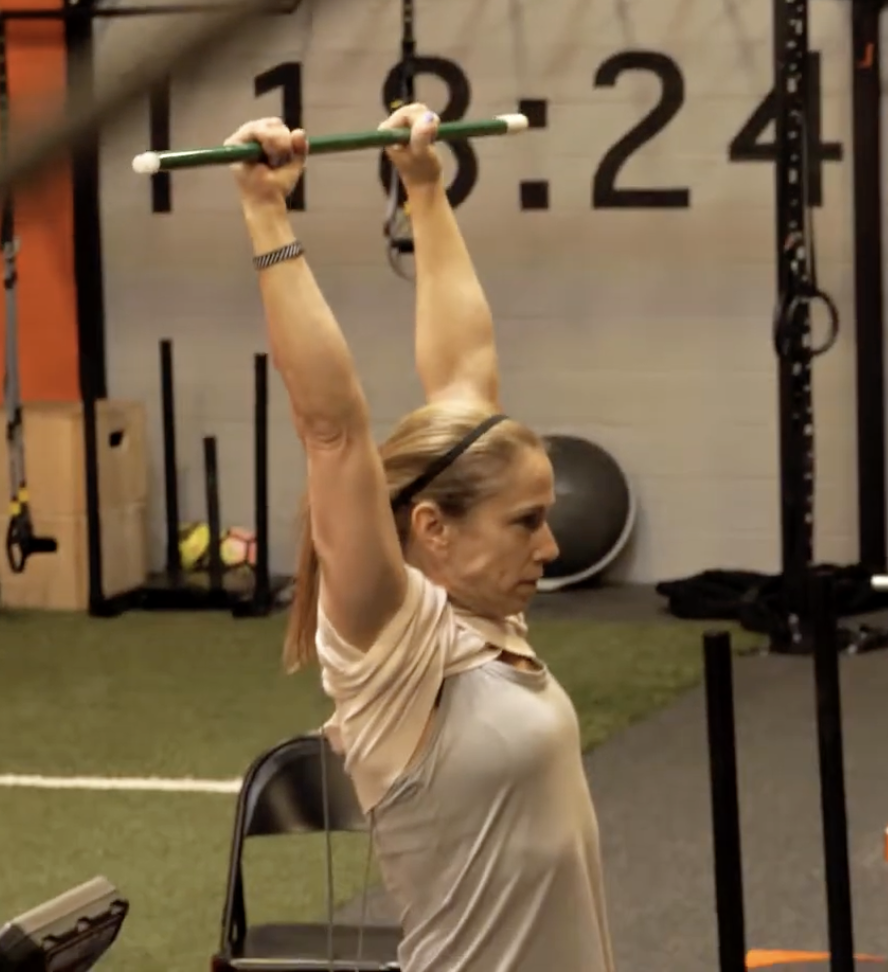
6. The Entire Musculoskeletal System Is Changing
As we age, it isn’t just our muscles that are changing.
We often experience changes in the way our tendons, joints, and ligaments feel as well.
Whether it be tightness, stiffness, achiness or pain, these changes can affect the way that our brain utilizes muscles.
It will work to guard and protect against using the muscles that may or may not cause more pain, limiting their capacity to do work.
To effectively build muscle mass, we need to have the brain, muscles, joints and tendons on the same page.
All of the muscles need to work at their fullest capacity.
The main message here is simple - a body that FEELS good is a body that will be much more effective in maintaining and building muscle mass.
7. The Connection Between Your Nervous System and Muscle Changes.
In order for muscle to contract, the nervous system has to send a signal telling the fibers of the muscle to activate.
As we age, that system of communication changes. Some of the motor neurons responsible for controlling muscle fibers can be lost, and the communication between the nervous system and muscle can become less efficient.
The body partially adapts by reorganizing and reconnecting surviving nerves to muscle fibers, but this process isn't always complete.
Over time, that can contribute to the loss of muscle fibers themselves.
The good news is that the neuromuscular system remains adaptable.
One way to support it is to continue asking the nervous system to recruit and activate muscle. Training with enough resistance, and enough effort, to create meaningful fatigue encourages the body to recruit more of the available muscle fibers.
The closer we work to fatigue or failure, the more muscle fibers the nervous system will recruit, and the greater the capacity there is to build muscle ma
But the muscle has to be asked to work.
Use it. Recruit it. Challenge it. Give it a reason to stay, and a reason to grow.
So, How Do You Build Muscle After 50?
The strategy for building muscle after 50 boils down to a few basic principles:
Provide a meaningful stimulus.
Give the muscles enough resistance to create a reason for adaptation.
Create a plan for the stimulus to change and evolve.
As the body adapts, progressively change the challenge.
Give the body what it needs to build muscle.
Adequate protein, nutrition, and recovery provide the resources needed to respond.
Train with intentionality and consistency.
Avoiding unnecessary interruptions and finding ways to continue training, even when the strategy needs to change, allows the adaptations (and muscle mass) to compound.
And remember, .building muscle isn’t going to happen in one workout or even one week.
Muscle mass is built through repeated effort, over the course of months and years.

Where Embodi³ Fits In
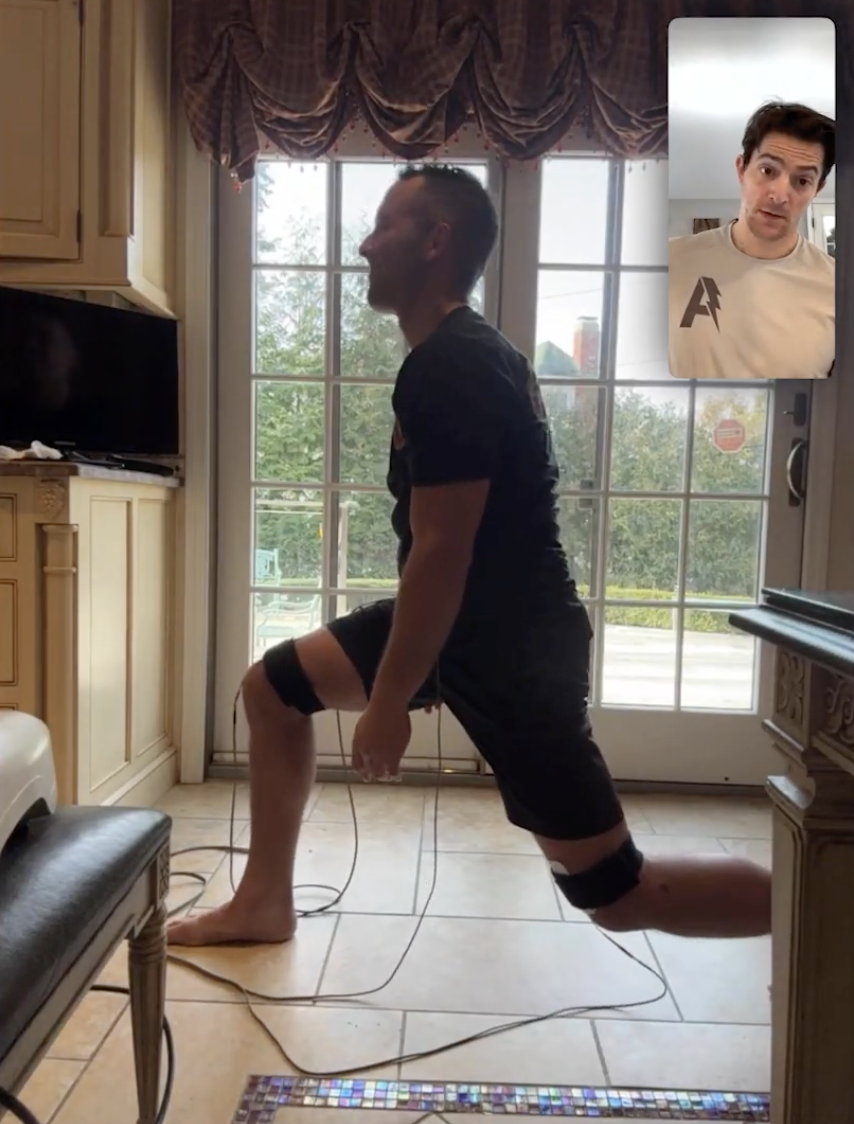
At Embodi³, the goal is to help people understand and improve the way their muscles function, not simply exercise more for the sake of exercise.
That means looking at how the body moves, how effectively muscle is being used, and how it responds to different levels of stimulus.
It also means understanding the current limitations of the body and how they’re affecting the body’s ability to build muscle.
From there, the process becomes one of progressive adaptation.
Stimulate. Train. Observe. Adjust. Build.
My approach combines individualized coaching, progressive resistance training, and, when appropriate, direct current electrical stimulation to help create and modify muscular stimulus.
The goal isn't just to build muscle for today.
It's to build the physical capacity to keep living the life that lies ahead.
For the past decade, I’ve worked with clients to help their bodies feel better, build muscle, and perform at their best.
If you would like to learn more about what it looks like to work with me remotely, from anywhere in the United States, click the button below to reserve a time on the calendar for a call.
About the Author
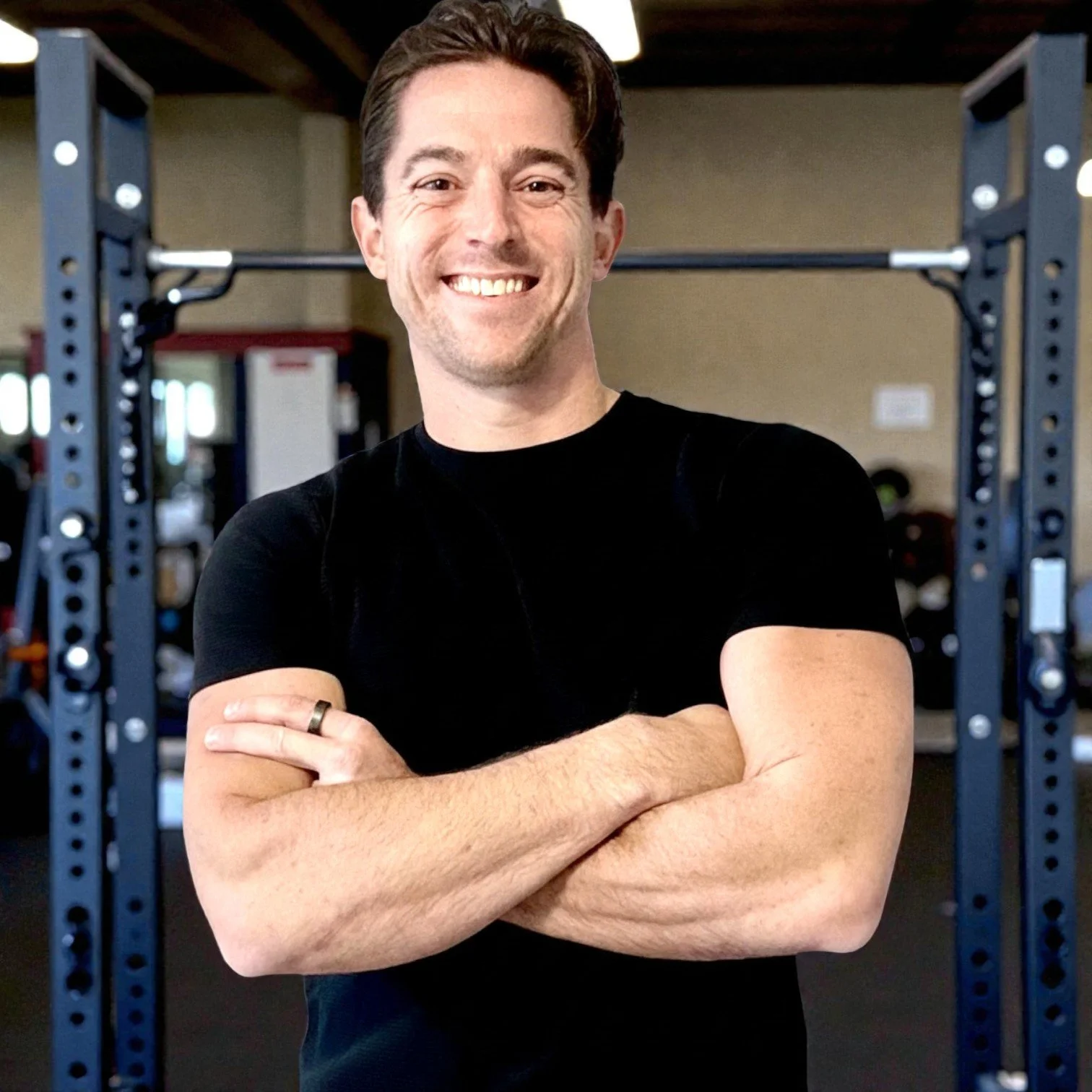
Zach Michael is a chemical and biomedical engineer, lifelong athlete, and founder of Embodi³. For more than a decade, he has worked with everyone from youth and professional athletes to active adults, helping them better understand their bodies, recover, build strength, and perform at their best.
His approach combines engineering-based problem solving with an understanding of movement, the neuromuscular system, and the individual in front of him—because he doesn't believe the human body is a one-size-fits-all system.
